Have any question? 9841583922
Phone: +977-71-534178 Email: toshiacademy@yahoo.co.jp

Top 10 Japanese Phrases Every Beginner Should Know
22 Jun, 2025 132

Top 10 Japanese Phrases Every Beginner Should Know
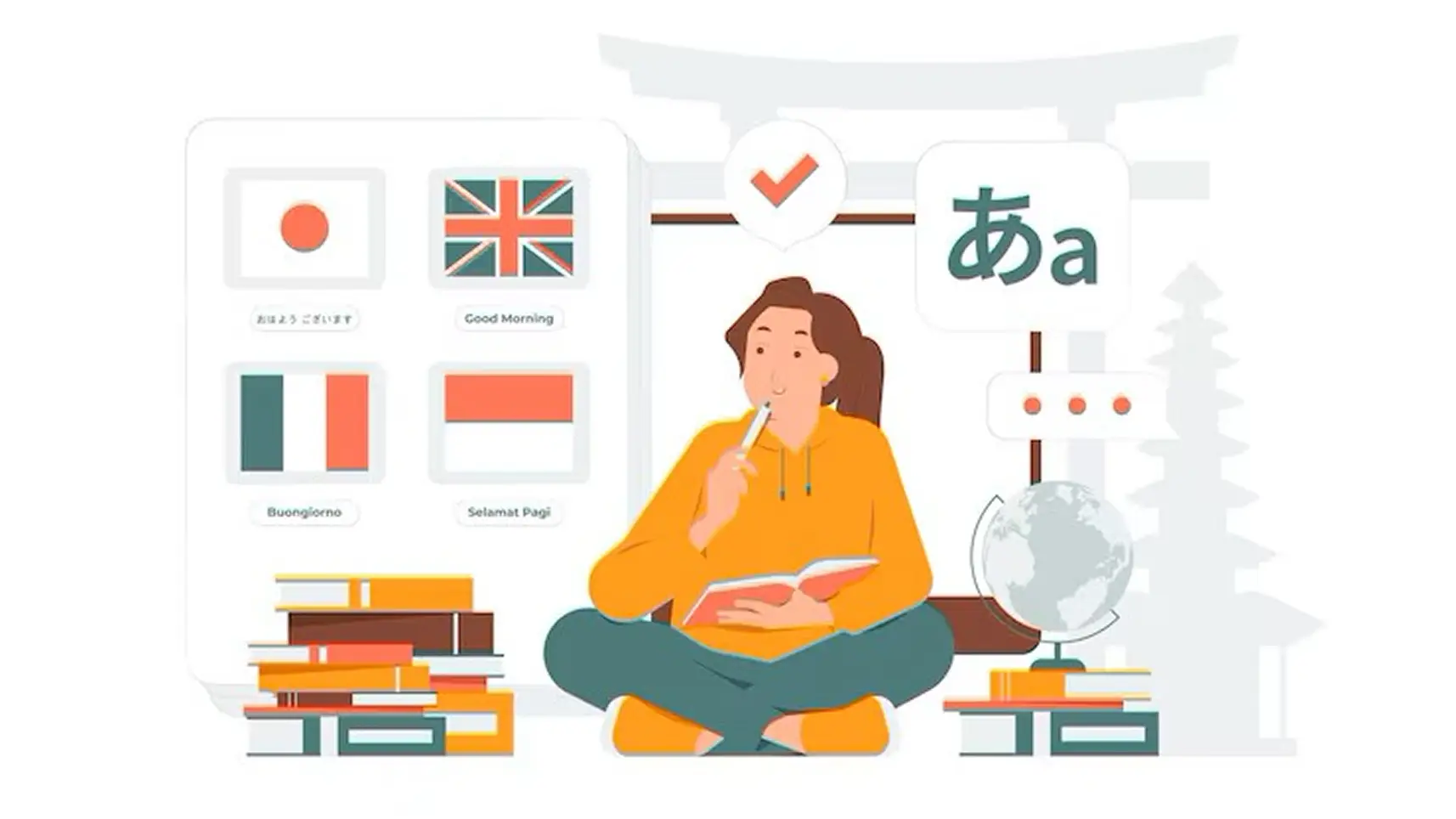
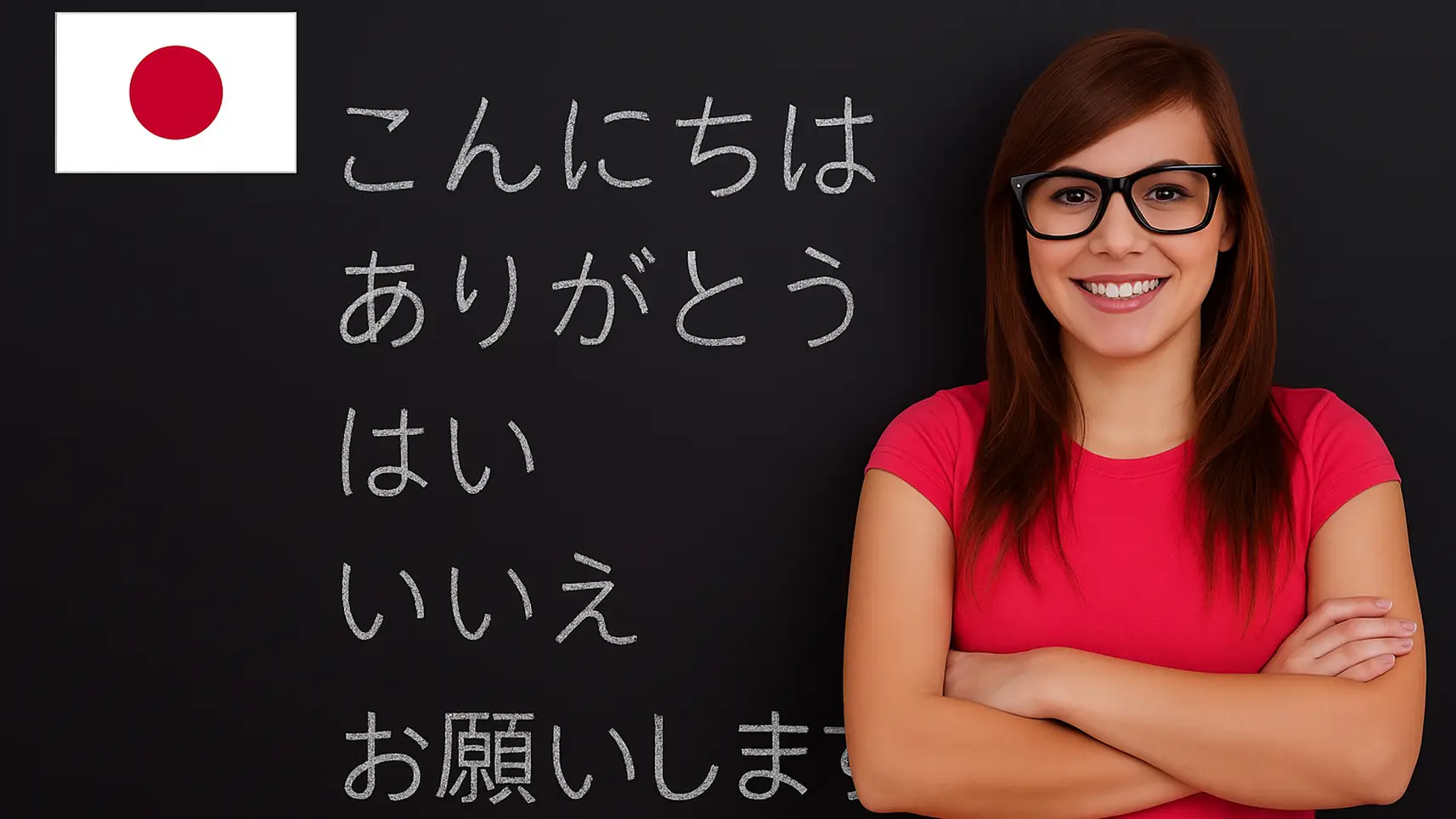
If you're just starting to learn Japanese, mastering a few basic phrases can make a huge difference. Whether you're traveling to Japan, chatting with native speakers, or attending a language class, these expressions will help you break the ice, show respect, and navigate everyday situations.

こんにちは (Konnichiwa) – Hello / Good Afternoon

This is the classic, polite way to say hello during the day.

  • Use it: From late morning to early evening when greeting someone.

ありがとう (Arigatou) / ありがとうございます (Arigatou gozaimasu) – Thank you / Thank you very much

"Arigatou" is casual, while "Arigatou gozaimasu" is more polite.

  • Use it: To express gratitude in almost any situation, especially in shops or restaurants.

すみません (Sumimasen) – Excuse me / I’m sorry

This versatile phrase can mean "excuse me", "sorry", or even "thank you", depending on the context.

  • Use it: To get someone's attention, bump into someone, or politely apologize.

はい (Hai) / いいえ (Iie) – Yes / No

These are essential for basic conversation.

  • "Hai" means yes
  • "Iie" means no (pronounced like "ee-eh")

おはようございます (Ohayou gozaimasu) – Good Morning

Polite way to say "Good morning." Use "Ohayou" casually with friends.

  • Use it: Until around 10–11 AM.

こんばんは (Konbanwa) – Good Evening

Polite greeting used after sunset.

  • Use it: When arriving at night or starting a conversation in the evening.

おやすみなさい (Oyasuminasai) – Good Night

Say this before going to bed or parting for the night. "Oyasumi" is the casual version.

  • Use it: When saying goodbye at night or going to sleep.

わかりません (Wakarimasen) – I don’t understand

Essential phrase when you're confused or lost in conversation.

  • Use it: Politely let someone know you didn’t catch what they said.

英語を話せますか?(Eigo o hanasemasu ka?) – Do you speak English?

Super useful in unfamiliar situations!

  • Use it: To check if someone can switch to English.

お願いします (Onegaishimasu) – Please / I request

Polite and powerful — used when asking for something or making a request.

  • Use it: When ordering food, asking for help, or requesting a favor.

Japanese places a strong emphasis on politeness. Using “gozaimasu” or “onegaishimasu” shows respect, and locals appreciate that effort, even from beginners.

Learning a few basic phrases goes a long way, and it boosts your confidence to keep going. Master these 10 expressions, and you’ll be ready to greet, thank, ask, and navigate real-life situations in Japanese with ease.